
Damp on External Walls: Causes, Signs and How to Fix It
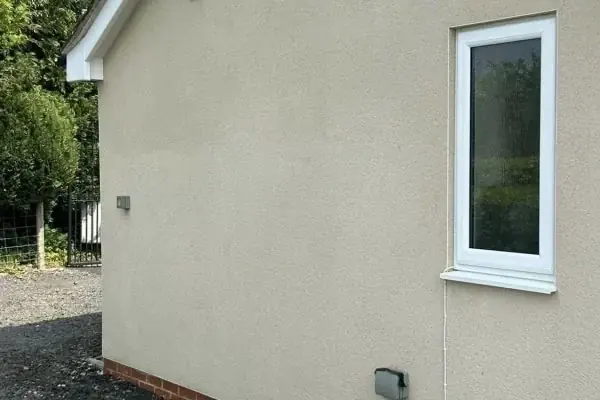
Quick answer: Damp on External Walls
The most common causes of damp on external walls in UK homes are overflowing or leaking gutters and downpipes, leaking outside pipes and taps, cracked render or pointing, high ground levels against the wall, and blocked drains. Fix the water source first, then let the wall dry out fully before cleaning or redecorating.
Key takeaways on damp on external walls
- Most external damp starts with water that is not draining away.
- Check gutters and downpipes during heavy rain.
- Cracked render and pointing let rain soak in.
- Walls can take months to dry out after the cause is fixed.
Common causes
- Blocked or leaking gutters pouring water down the wall.
- Leaking pipes and outside taps. A dripping overflow or split pipe can soak a wall for months. Plumbing firms such as Steadwell Plumbing and PlumbRight Now explain how small hidden leaks cause big damage.
- Cracked render or pointing letting rain into the masonry.
- High ground or patio levels bridging the damp-proof course.
- Ground water around basements and cellars - see how basement waterproofing deals with this.
How to fix external damp
- Find and fix the water source first.
- Clear gutters and test downpipes.
- Repair render cracks and repoint where needed.
- Lower soil or paving to at least 150 mm below the damp-proof course.
- Clean off algae and staining once the wall has dried.
When damp has got inside
Internal damp and mould need to be dried properly before redecorating. Dryworthy and Copperline Restoration describe how professional drying and restoration work, and this water damage resource explains how hidden moisture leads to mould.
Damp on External Walls: frequently asked questions
Can blocked gutters cause damp?
Yes. They are one of the most common causes of damp on external and internal walls in the UK.
How long does a wet wall take to dry out?
Roughly one month per 25 mm of wall thickness in good conditions, so a solid brick wall can take several months.
Should I seal an outside wall to stop damp?
Only with a breathable masonry treatment, and only after the source of water has been fixed. Non-breathable coatings can trap moisture.