
Driveway & Patio Cleaning: Block Paving, Stone and Resin Guide
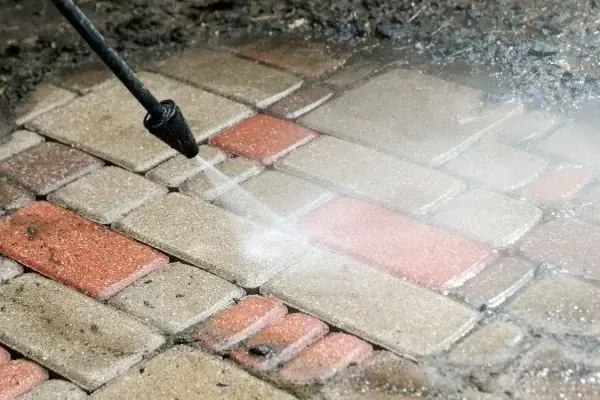
Quick answer: Driveway & Patio Cleaning
Block paving and concrete driveways are best cleaned with a rotary surface cleaner at controlled pressure, followed by a biocide to kill weeds and algae, kiln-dried sand in the joints and an optional sealant. Natural stone, sandstone and Indian stone patios should be soft washed rather than pressure washed, as high pressure can etch the stone.
Key takeaways on driveway & patio cleaning
- Different surfaces need different methods - one pressure setting does not suit all.
- Re-sanding block paving joints after cleaning stops weeds and keeps the blocks locked together.
- Sealing a driveway makes it easier to keep clean and protects against oil stains.
- Most driveways and patios benefit from a deep clean every 1 to 2 years.
Cleaning by surface type
- Block paving - rotary surface clean, weed and algae treatment, kiln-dried sand, optional seal.
- Tarmac - low pressure only. High pressure loosens the aggregate.
- Imprinted concrete - clean, then re-seal to restore colour and shine.
- Indian sandstone and limestone - soft wash with a stone-safe cleaner to remove black spot lichen.
- Porcelain - very hard wearing; a standard clean plus grout check.
- Resin bound - gentle wash only; harsh chemicals and high heat can discolour the resin.
Getting rid of weeds for good
Weeds grow in the sand joints, not the paving. After cleaning, we treat the surface and refill the joints with kiln-dried sand. Sealing locks the sand in place. Clearing garden waste, old planters and rubbish before the clean makes the job quicker - for a big tidy-up, a junk and garden waste removal company can clear everything in one visit.
Patios, decks and garden areas
Timber decking needs a different approach from stone. A gentle clean and an anti-slip treatment keeps it safe. If your deck boards are soft, split or rotten, cleaning will not fix them - a deck building specialist can advise on repair or replacement.
DIY pressure washing: common mistakes
- Holding the lance too close and leaving permanent stripe marks.
- Blasting all the sand out of the joints and leaving blocks loose.
- Spraying dirty water onto walls, doors and windows.
- Using too much pressure on sandstone, causing etching.
Driveway & Patio Cleaning: frequently asked questions
How often should I clean my driveway?
A deep clean every 1 to 2 years keeps most driveways looking good. Sealing after cleaning extends the time between cleans.
Should a driveway be sealed after cleaning?
Sealing is optional but recommended for block paving and imprinted concrete. It locks in the jointing sand, resists oil stains and enhances colour.
Can oil stains be removed from a driveway?
Most fresh oil stains can be lifted or greatly reduced with a degreaser and hot water. Old stains that have soaked deep into concrete may only fade.
How long does a driveway clean take?
A typical driveway takes most of a day including re-sanding. Larger driveways and patios together may take two days.